

What is the difference between a field mouse and a house mouse?
What distinguishes the field mouse from a house mouse?
The rodent family is larger than you might think. There are about 30 species of rodents worldwide. Such as hamsters, rats, mice, squirrels, beavers, marmots, and so on. Although some look alike, they are different, like This is the case of voles and mice, which are generally confused for the same species. What distinguishes a vole from a mouse?
The mouse
| Latin Name: | Mus musculus |
| Family | Muridae |
| Length: | Approximately 6 to 10 cm (tail + 10 cm) |
| Weight: | 20 to 50 g |
| Color: | Black, gray, or white |
| Types of mice in Quebec: | - Gray (the most common) Suspenders Sylvester - Waterfalls Sitka mouse - Harvest mouse - White-footed mouse |
VERSUS.
The field mouse
| Scientific name: | Apodemus sylvaticus |
| Weight: | 15 to 30 g |
| Length: | 9.5 to 11 cm |
| Family | Muridae |
| Order: | Rodents |
| Longevity | 18 to 20 months |
Common characteristics of rodents
The term rodent comes from the fact that they all share two common characteristics, First, they all belong to the class of mammals, and second, they all have two incisors that grow indefinitely. Rodents lack enamel and their incisors are very fragile and break easily, but they will always grow back. This tooth growth explains why some rodents, like rats, gnaw on wood when they have no other food to wear down their teeth. Otherwise, they risk piercing their lip with their own incisors or being unable to close their mouths, which will lead to a slow and painful death.
What is a wood mouse?
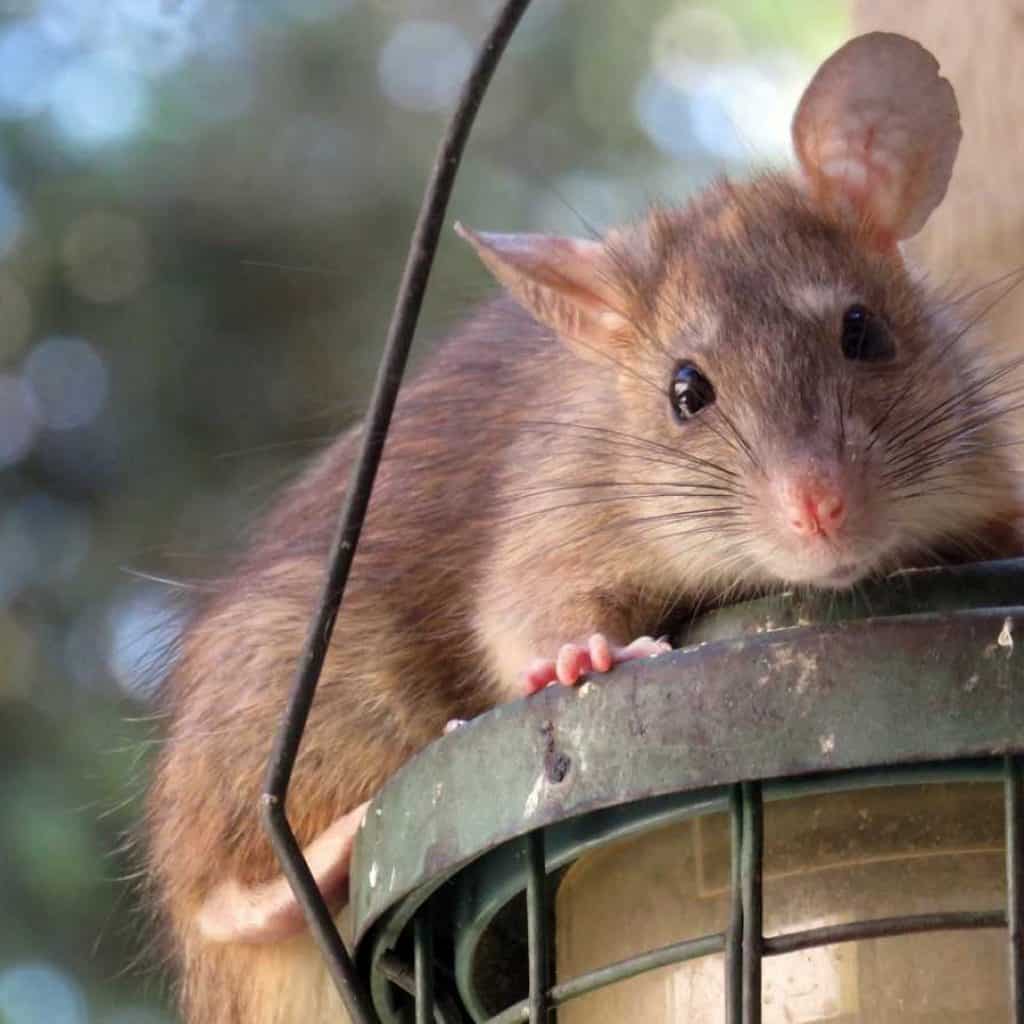
The field mouse is distinguished by its brown, beige, or even reddish fur with a white belly, and its adult size allows it to reach about 10.5 centimeters. It generally weighs between 13 and 27 grams. Its eyes, however, are smaller than those of a house mouse.
Regarding its diet, the field mouse feeds according to the season. The field mouse remains omnivorous because its diet is very varied. It can feed on insects such as cockroaches, as well as shelled gastropods like snails, and even invertebrates like earthworms. On the other hand, it can also feed on plants, seeds, mushrooms, certain vegetables like carrots, etc.
Despite this, the lifespan of a wood mouse is only one year, but its reproduction is very rapid. In one year, a wood mouse can give birth 3 or 4 times, and each time between 3 to 6 young. The wood mouse is generally more active at night than during the day.
Do you have a mouse problem that requires extermination? See here.
What is a mouse?
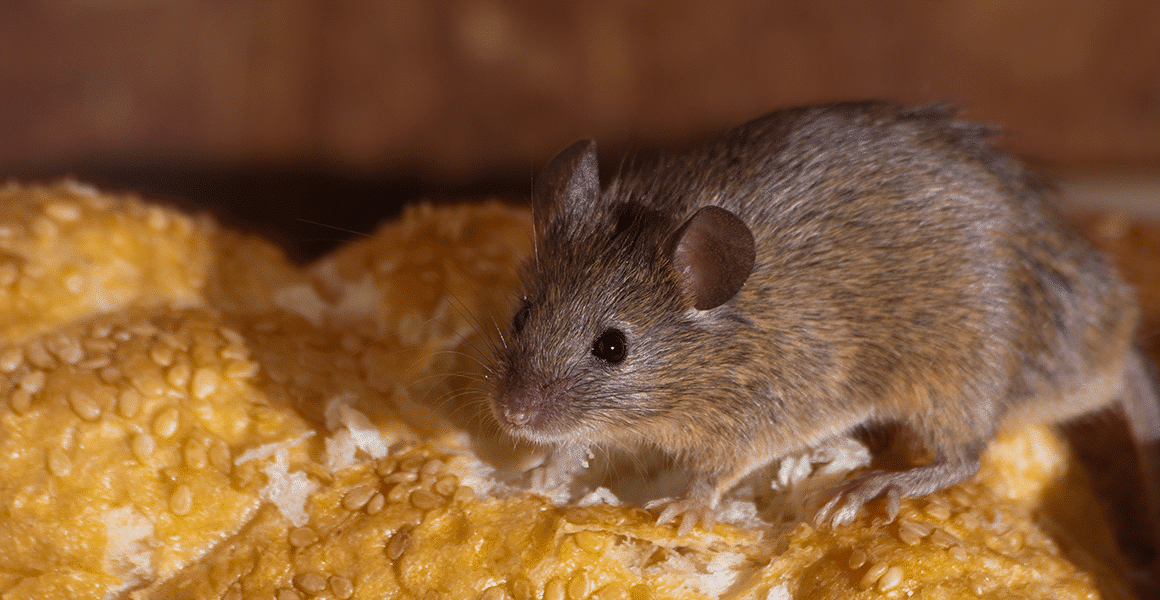
Unlike the field mouse, the house mouse has a uniform coat, usually gray or brown, and an adult size of approximately 7 to 9 centimeters. It typically weighs around 12 to 30 grams. The house mouse has large eyes, large ears, very small paws, and a tail that is the same length as its body.
The diet of the mouse is extremely varied, like that of the field mouse. It can feed on vegetables, fruits, gastropods, and meat, but it prefers cereals and seeds above all else.
Mice, unlike field mice, have a life expectancy of 2 to 3 years. The reproductive capacity of the mouse is greater than that of the field mouse. Indeed, the mouse will give birth to 4 to 16 babies, and this 7 to 8 times a year, which is simply enormous. The mouse, like the field mouse, is more active at night than during the day.
For mouse extermination, see here.
Frequently Asked Questions
The field mouse, which should not be confused with its neighbors like the vole or the shrew, is also part of the rodent family. Its diet is therefore specific. It feeds mainly on seeds, berries (raspberries, blackberries), but also on roots such as carrots, turnips, celery, or potatoes. You can add almost all garden vegetables: leeks, chicory, chard.
Like most rodents, mice eat almost anything. Seeds, fruits, vegetables, etc. But they also have an appetite for so-called human foods. A mouse in the wild will be content with wheat, corn, or barley. On the other hand, one living near a dwelling will, in addition to the products mentioned, eat bread, cheese, kibble, and any other product it finds.
Mice leave their natural habitat to take refuge in the vicinity of dwellings and even inside them whenever possible. They are seeking shelter and a food source. The presence of dirt around a dwelling can attract mice in the hope of finding a food source there. Although mice also enter clean places, dirt increases the likelihood of them multiplying.
The majority of rodents, such as the field mouse, rat, or mouse, do not hibernate. They are very different from other species like marmots or dormice, which do hibernate during periods of bad weather. The field mouse, for its part, remains completely active, always looking for something to eat in all seasons of the year.
Mice, like the majority of small rodents, have small claws on the ends of their lower and additional paws. These claws allow them to grip and climb: on walls, trees, garden plants, and more. They have an anatomy that enables them to operate their different paws independently, which enhances their climbing ability.
It is indeed true that mice have a very varied diet, but cases of cannibalism among mice are unlikely. Mice favor fruits, vegetables, roots, seeds, bread, pellets, and some human food products. What is perhaps probable or conceivable is that a mouse might eat dried remains of another mouse.
Before thinking about exterminate mice and rats, we can think of ways to drive them away from the house. Although these rodents are garden pests, they play a role in maintaining the ecosystem in a way. You can keep field mice and mice away with bunches of mint that you plant in your garden or place in their path. See other natural methods here.